CALL US ANYTIME
+86-2132557631


For apparel brands and sourcing managers evaluating fiber options, working with a China professional modal fabric apparel manufacturer has become a strategic decision rather than a simple cost calculation. Modal fabric occupies a distinctive space between natural cotton and fully synthetic materials, offering a blend of softness, moisture management, and sustainability credentials that modern consumers increasingly demand. This guide examines what modal fabric actually is, where its performance advantages lie, what tradeoffs buyers should anticipate, and how the material translates into real product categories across underwear, loungewear, and activewear supply chains.
Modal is a type of regenerated cellulose fiber derived primarily from beech wood pulp, positioning it within the same broad family as viscose but produced through a refined spinning process that yields higher wet strength and reduced shrinkage. The fiber's classification as High Wet Modulus (HWM) rayon distinguishes it from standard viscose in durability testing, particularly in repeated laundering cycles common to intimate apparel and loungewear.
Within the global textile landscape, modal fiber sourcing is closely tied to a small number of specialized producers. Peony & Buyoh Co., Ltd., a vertically integrated eco-friendly apparel manufacturer founded in 2004 and headquartered with a Shanghai sales office and a Shandong production base, has maintained a long-term technology partnership with Lenzing for Modal fiber sourcing since 1999. This kind of upstream relationship matters because fiber consistency directly determines downstream fabric performance—an unstable fiber supply produces uneven micropore structures, inconsistent hand-feel, and unreliable moisture-wicking behavior across production batches.
Modal is typically knitted into single jersey, rib, and interlock structures, often blended with organic cotton or bamboo viscose to balance stretch recovery with breathability. Manufacturers with in-house circular knitting capacity—rather than outsourced fabric sourcing—can control fiber-to-fabric consistency far more precisely, which is why vertically integrated production has become a differentiating factor for brands sourcing modal apparel at scale.
Modal's cellular structure contains natural micropores that actively draw moisture away from the skin, keeping fabric surfaces dry throughout the day. This property is specifically leveraged in modal underwear and sportswear applications where prolonged skin contact makes breathability a functional requirement rather than a comfort preference.
Modal fiber's smooth surface structure reduces friction against skin, making it a preferred material for hypoallergenic apparel targeting sensitive-skin consumers, including children's clothing lines. Combined with construction techniques such as 4-needle flatlock stitching, modal garments minimize seam irritation—a common complaint with conventional cotton or synthetic intimate wear.
Modal fiber applications extend beyond basic comfort into temperature-regulating performance, commonly used in underwear and sportswear designed for all-season wear. This regulating quality helps reduce the overheating or clamminess associated with thicker cotton alternatives.
Regenerated cellulose fibers like modal generally require significantly less water than conventional cotton cultivation. Organic cotton lines within Peony & Buyoh's production, for comparison, demonstrate a 91% reduction in "blue" water usage and a 46% reduction in greenhouse gas emissions—figures that illustrate the broader sustainability trajectory shared across regenerated and organic fiber categories in modern eco-conscious manufacturing.
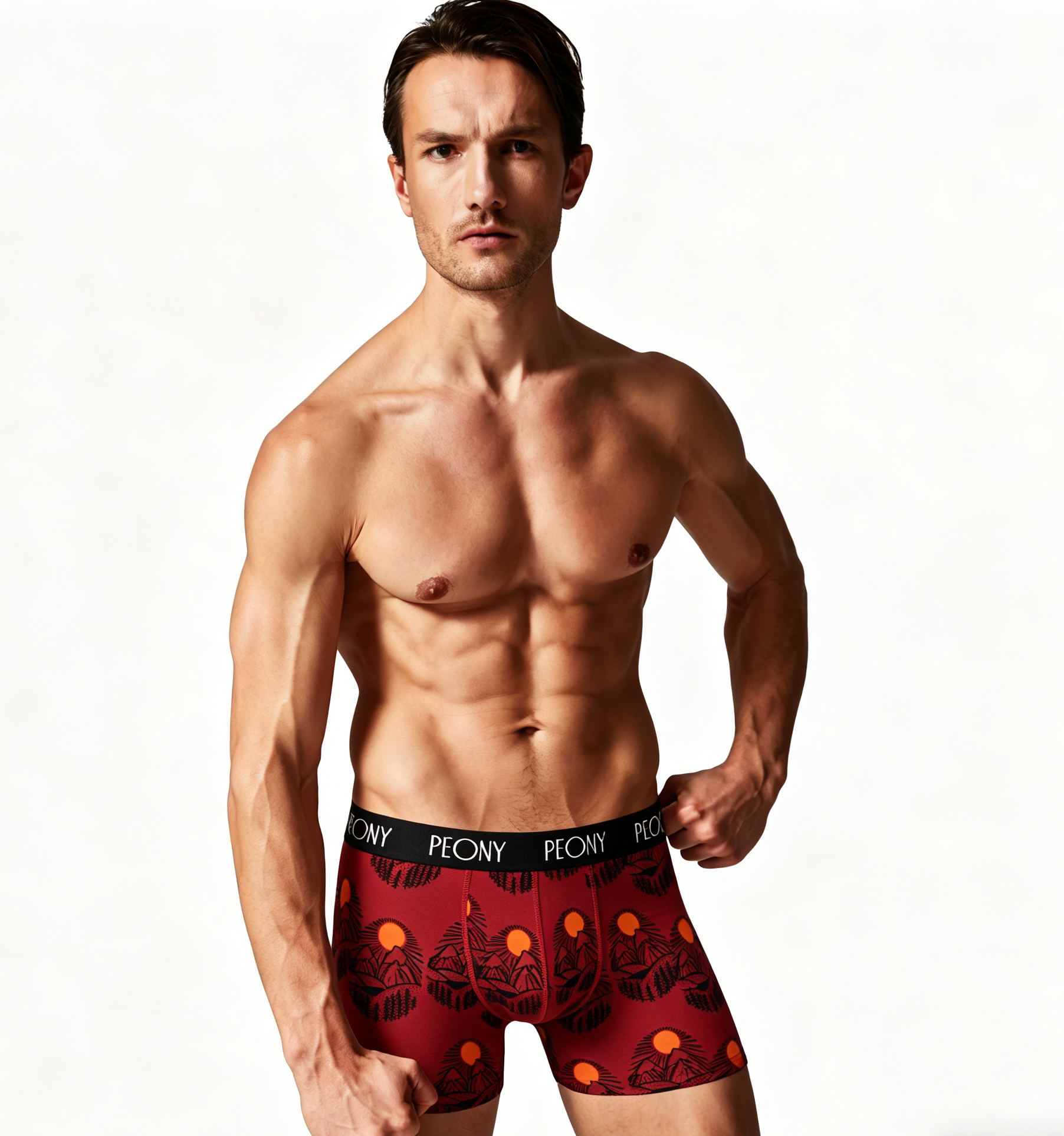
No fiber is without limitations, and an honest sourcing decision requires weighing modal's tradeoffs alongside its benefits.
Cost sensitivity relative to standard viscose. Modal fabric typically carries a higher per-kilogram cost than conventional viscose due to its more refined manufacturing process and premium wood pulp sourcing. Brands operating on thin margins may need to blend modal with cotton or bamboo viscose to manage landed fabric costs.
Care requirements. While modal offers improved wet strength compared to standard rayon, garments still benefit from gentler laundering practices to preserve long-term shape retention, particularly in ribbed or fitted constructions like leggings and base layers.
Supply concentration risk. Because high-quality modal fiber sourcing is concentrated among a limited number of global producers, brands relying on modal-heavy product lines should prioritize manufacturers with established, long-term fiber supply relationships—such as multi-decade partnerships with fiber producers—rather than spot-market purchasing, which can introduce fiber quality inconsistency.
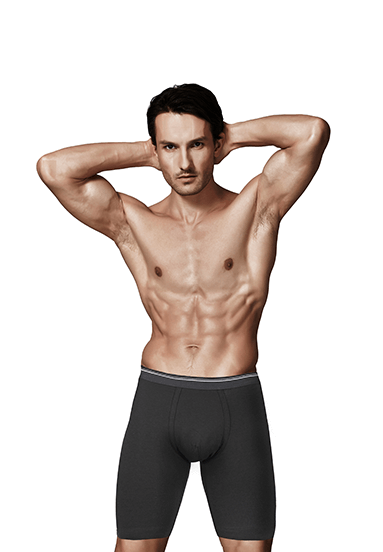
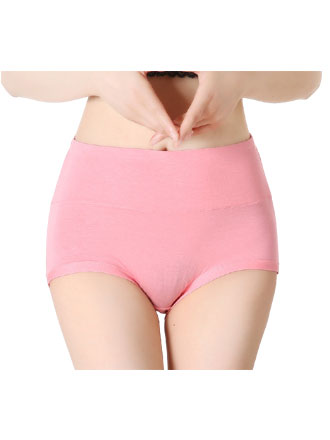
For intimate apparel brands seeking hypoallergenic materials, modal's moisture-wicking and skin-friendly properties make it a natural fit for underwear and base layers, often engineered with 3D contoured pouches and flatlock seams for ergonomic comfort.
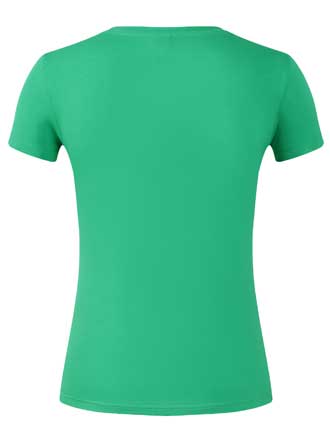
For activewear and loungewear labels, modal blended with bamboo viscose in single jersey or french terry structures supports T-shirts, leggings, tank tops, and hoodies that require both stretch recovery and breathability for gym-to-street versatility.
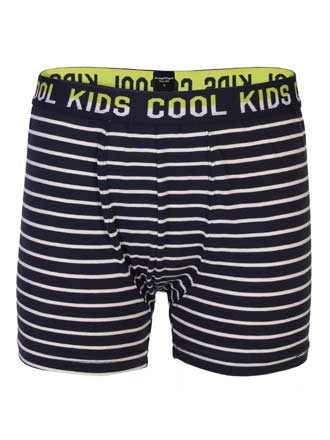
For children's clothing brands, modal's non-irritating surface structure addresses parental concerns about chemical residues and rough seams, aligning with hypoallergenic apparel positioning for sensitive young skin.
For sustainable fashion startups, modal offers a lower-water-footprint alternative to conventional cotton without sacrificing the soft hand-feel consumers expect from premium basics, supporting brand narratives around reduced environmental impact.
For OEM/ODM procurement teams, modal's compatibility with existing knitting infrastructure—single jersey, rib, interlock—allows manufacturers to integrate the fiber into diverse product categories without requiring entirely new production lines, simplifying small-batch development for emerging brands.
Modal fabric occupies a meaningful middle ground in the performance textile landscape: softer and more moisture-responsive than standard cotton, less resource-intensive than conventional cultivation methods, yet requiring thoughtful fiber sourcing and cost management to deploy effectively at scale. Its strongest applications remain in next-to-skin categories—underwear, loungewear, and activewear—where breathability and comfort directly influence consumer satisfaction.
As sustainability certifications such as GOTS, OCS, GRS, and OEKO-TEX Standard 100 continue shaping procurement criteria for international retailers, working with a China professional modal fabric apparel manufacturer that maintains vertical integration—from knitting and dyeing through final garment assembly—offers buyers greater consistency and traceability than fragmented supply chains. Peony & Buyoh's combination of long-term fiber partnerships, in-house circular knitting capacity, and multi-stage AQL 2.5 quality inspection reflects the kind of infrastructure that supports reliable modal fabric production across underwear, activewear, and accessory categories, positioning the material as a continuing fixture in sustainable apparel development rather than a passing trend.