CALL US ANYTIME
+86-2132557631


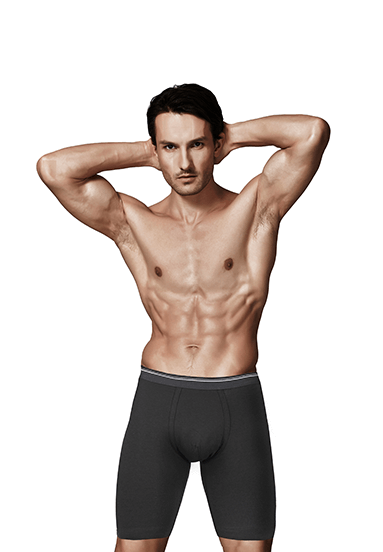
Comfort, safety, and consistency are the non-negotiable foundations of any intimate apparel program. For retailers and emerging brands sourcing men's underwear OEM, ODM wholesale partners, the right manufacturer choice determines whether a product line succeeds in a crowded, comfort-driven market. This guide breaks down the technical, material, and operational criteria that separate a dependable production partner from a risky one.
Vertical integration refers to a manufacturer controlling multiple production stages—knitting, dyeing, and sewing—under one operational umbrella rather than outsourcing each step. This structure reduces quality variance between batches and shortens lead times, since fabric doesn't have to travel between disconnected third-party suppliers.
Manufacturers with self-owned circular knitting looms and in-house dyeing capacity can maintain tighter control over fabric density, colorfastness, and consistency across large production runs. Peony & Buyoh, for example, operates its own knitting workshop capable of producing single jersey, ribs, french terry, and interlock structures in-house, which supports a closed-loop production ecosystem from raw fiber to finished garment.
Before committing to an OEM (Original Equipment Manufacturer) or ODM (Original Design Manufacturer)partnership, buyers should confirm relevant third-party certifications. Common industry benchmarks include:
GOTS (Global Organic Textile Standard) – verifies organic fiber content and environmentally responsible processing
OCS (Organic Content Standard) – confirms traceable organic material sourcing
GRS (Global Recycled Standard) – validates recycled input percentages
OEKO-TEX Standard 100 – certifies the absence of harmful substances in the finished textile
BSCI (Business Social Compliance Initiative) – audits labor and social responsibility practices
A factory holding this combination of certifications signals both material integrity and manufacturing accountability, which is particularly important for underwear given its direct, prolonged skin contact.
Fiber selection directly affects comfort, durability, and sustainability claims. Three materials commonly used in premium underwear lines include:
Organic Cotton – grown without synthetic pesticides or GMOs, offering a hypoallergenic option for sensitive skin
Bamboo Viscose – derived from bamboo raw material with natural antibacterial and odor-resistant properties
Modal (including MicroModal) – a regenerated fiber known for moisture-wicking micropore structures that help keep skin dry
Each fiber suits different product goals: organic cotton for chemical-free basics, bamboo viscose for odor control in daily wear, and modal for moisture management in performance-oriented styles.
Beyond raw fiber type, buyers should ask what functional finishing or fabric engineering is applied. Temperature-regulating fiber applications, for instance, allow a single garment to adapt to varying body heat, which is increasingly requested in both underwear and sportswear categories. Moisture-wicking micropore structures and natural antibacterial properties are two features that directly reduce common consumer complaints like dampness and odor retention.
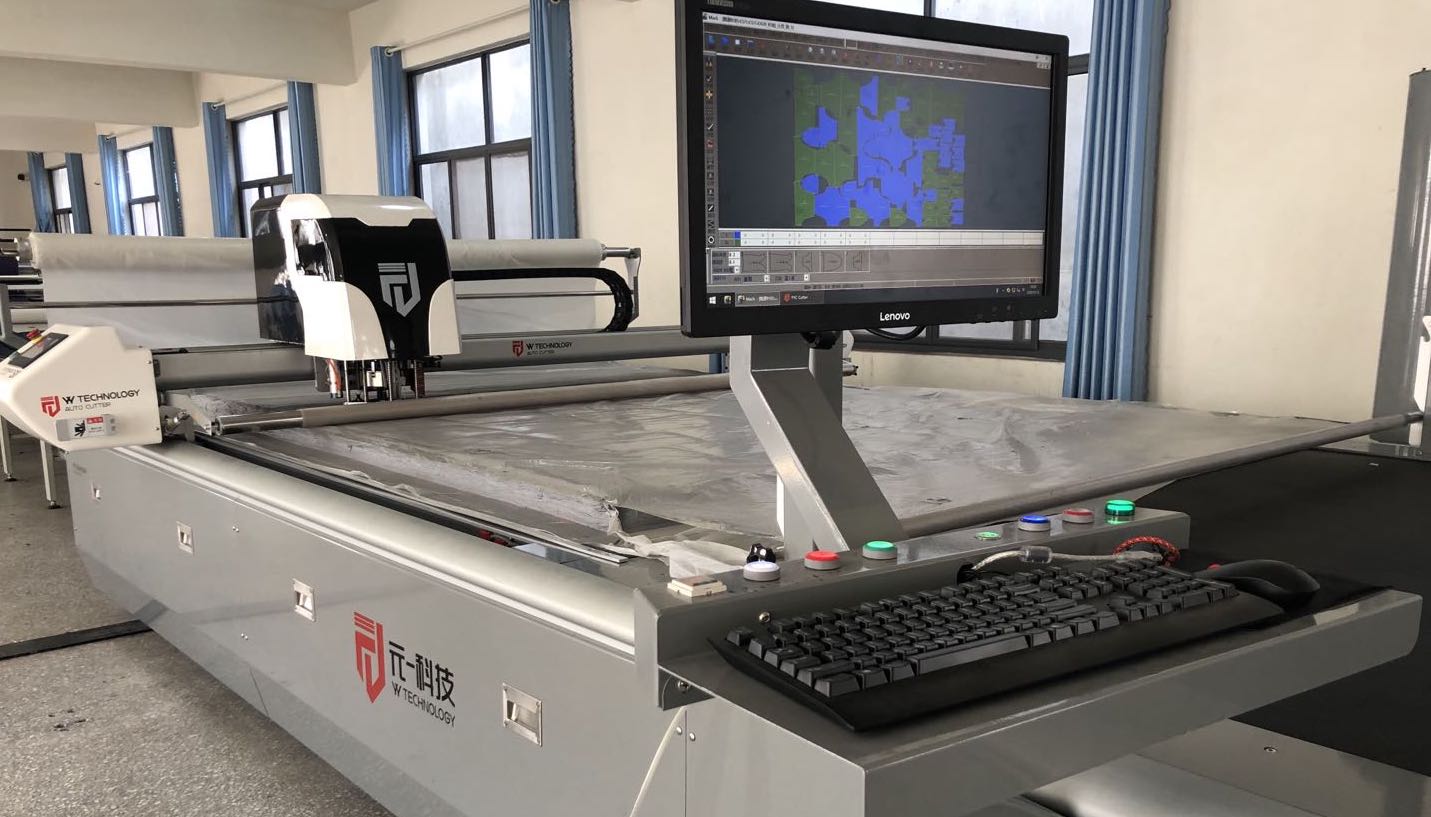
4-needle flatlock stitching is a construction method that flattens seams against the fabric surface, minimizing friction and rubbing—an important consideration for close-fitting garments worn against skin for extended periods. Manufacturers using automatic fabric spreading and multi-layer cutting machines can also achieve more precise, zero-tension pattern execution, which reduces sizing inconsistencies across bulk orders.
For men's underwear specifically, 3D contoured front pouches are an engineering detail that improves fit and comfort compared to flat-pattern construction. When evaluating an ODM partner, ask whether their pattern-making team has specific experience designing ergonomic components for men's intimate apparel, rather than adapting generic templates.
MOQ (Minimum Order Quantity) requirements vary widely across the industry and can be a deciding factor for startups versus established brands. Some manufacturers offer flexible MOQs in the range of 500 to 1,500 pieces per style, which allows smaller or newer sustainable fashion brands to test designs without committing to excessive inventory. Pricing should reflect material selection and technical complexity rather than a flat rate across all product types—value-based pricing models tend to better align cost with actual production input.
Sustainability claims should be quantifiable. Ask potential partners for specific figures, such as percentage reductions in "blue" water usage (water drawn from surface or groundwater sources) or greenhouse gas emissions associated with organic fiber lines. Renewable energy use, such as rooftop solar installations covering a meaningful share of annual factory electricity, is another concrete indicator of environmental commitment rather than a marketing claim alone.
AQL 2.5 (Acceptable Quality Limit) is a statistical sampling standard used during pre-production, in-process, and final inspection stages to catch defects before shipment. A dedicated Quality Control department applying AQL 2.5 across all three stages provides more reliable assurance than single-point, final-only inspection.
Long-term sourcing relationships with established fiber producers—such as a multi-decade partnership with Lenzing for Modal fiber, as seen in Peony & Buyoh's supply chain since 1999—can indicate more stable raw material quality and consistent fiber performance across production cycles, compared to manufacturers sourcing modal from shifting or unverified suppliers.
Choosing a men's underwear OEM, ODM wholesale partner ultimately requires weighing certification credibility, fiber and construction quality, MOQ flexibility, and verifiable sustainability data against your brand's specific positioning. No single factor should be evaluated in isolation—a certified fabric paired with poor stitching, or flexible MOQs without quality control rigor, can each undermine the final product. Buyers who systematically assess vertical integration, material science, construction detail, and compliance documentation are better positioned to select a manufacturing partner capable of supporting long-term brand growth.