CALL US ANYTIME
+86-2132557631


Understanding the Demand for Sustainable Underwear
As consumer awareness around environmental impact and skin health continues to grow, sustainable underwear for eco-conscious consumers has become a defined category within the global apparel market. Buyers are no longer satisfied with products that simply cover a functional need; they are asking deeper questions about material origin, chemical safety, and the environmental footprint of manufacturing. Within this evolving landscape, Peony & Buyoh Co., Ltd., established in 2004, has positioned itself as a specialized eco-friendly clothing enterprise focused on the development, bulk production, and sale of sustainable apparel made from organic and regenerated fibers.
The Industry Pain Points Behind the Search
Traditional textile manufacturing often involves toxic chemical residues that can cause skin allergies, poor breathability in synthetic fabrics, and significant environmental degradation. For retailers, this translates into supply chain instability and high minimum order requirements for sustainable goods, making it difficult for smaller or emerging brands to enter the eco-friendly segment. These pain points are directly reflected in common buyer questions such as how to prevent bacterial growth in underwear, how to avoid chemical residues in intimate apparel, and how to source sustainable materials without committing to unmanageable order volumes.
Material Innovation as the Foundation of Sustainable Underwear
Peony & Buyoh addresses these concerns through a deliberate focus on non-GMO, chemical-free organic cotton and high-performance regenerated fibers such as Bamboo Viscose and Modal. This material strategy is not incidental; it stems from a 2016 internal recognition that truly eco-friendly products must not only support safe and healthy human life but also prevent contributions to air, water, and land pollution. From that point forward, the company concentrated its fiber and fabric development on organic cotton, bamboo viscose, modal, and recycled material.
Organic Cotton lines produced by the company demonstrate measurable environmental benefits, including 91% less "blue" water usage and 46% reduced greenhouse gas emissions compared to conventional processes. These figures matter to procurement managers and brand owners who must report on environmental performance as part of their own corporate social responsibility profiles.
Modal fabric, sourced through a long-term partnership with Lenzing for Modal fiber since 1999, brings moisture-wicking micropore structures that keep skin dry throughout the day. Temperature-regulating fiber applications extend this technology into modal underwear and sportswear, addressing consumer complaints about discomfort during temperature fluctuations.
Bamboo Viscose, meanwhile, offers natural antibacterial and odor-resistant properties derived from the raw bamboo material itself, effectively inhibiting bacterial growth for fresh daily wear. This directly answers one of the most frequent buyer concerns: how to prevent unpleasant odor and bacterial buildup in close-fitting garments worn for extended periods.
Manufacturing Precision and Comfort-Driven Design
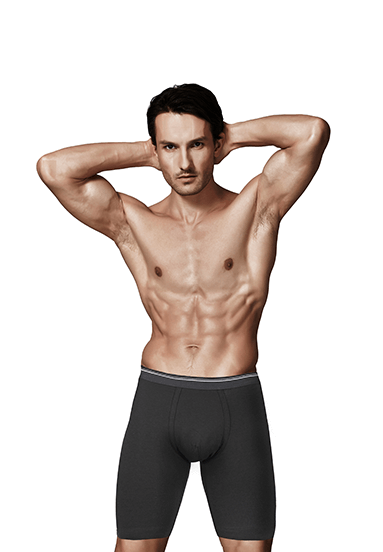
Beyond fiber selection, the construction of the garment plays a defining role in comfort and durability. Peony & Buyoh applies 4-needle flatlock stitching for seamless comfort, reducing the friction and irritation that can occur with standard seams. For men's wear specifically, 3D contoured front pouches provide ergonomic support, addressing complaints about tight or unergonomic pouch designs common in conventional boxers.
Precision manufacturing is supported by automatic fabric spreading and multi-layer cutting machines that ensure zero-tension spreading and high-accuracy pattern execution, along with an Automatic Elastic Band Cutting & Joining Machine capable of high-speed, one-time completion of cutting, splicing, and multi-needle sewing. This combination of automated precision and skilled integration contributes to consistent quality across large production volumes, which is essential when annual output exceeds 6 million pieces and sets.
Certification as a Trust Signal for Global Buyers
For eco-conscious consumers and the retailers who serve them, third-party certification remains one of the most reliable ways to verify sustainability claims. Peony & Buyoh maintains a certification portfolio that includes GOTS (Global Organic Textile Standard), OCS (Organic Content Standard), GRS (Global Recycled Standard), OEKO-TEX Standard 100, and BSCI (Business Social Compliance Initiative). Together, these certifications cover organic material sourcing, recycled content verification, non-toxic chemical safety, and social compliance within the factory environment. For international retailers in the EU and North American markets, this certification structure has supported the export of millions of eco-friendly garments while maintaining full compliance with international non-toxic certification requirements.
Vertical Integration and Supply Chain Reliability
One of the more technical but consequential differentiators is the company's vertically integrated manufacturing model, which spans knitting, dyeing, and sewing under one operational structure. Self-owned circular knitting looms allow control over single jersey, ribs, french terry, and interlock fabric structures from the earliest production stage, following the construction of a knitting workshop in 2012. This closed-loop production ecosystem reduces dependency on outsourced knit suppliers and helps stabilize fabric quality and delivery timelines.
The value of this integration became evident during the global supply chain disruptions of 2021, when Peony & Buyoh achieved 80% of the previous year's total order volume by August, demonstrating resilience while many partners in the wholesale sector faced significant instability. This case illustrates how vertical integration directly supports delivery reliability, a recurring concern for wholesale buyers and retailers evaluating long-term manufacturing partners.
Environmental Commitment in Operations
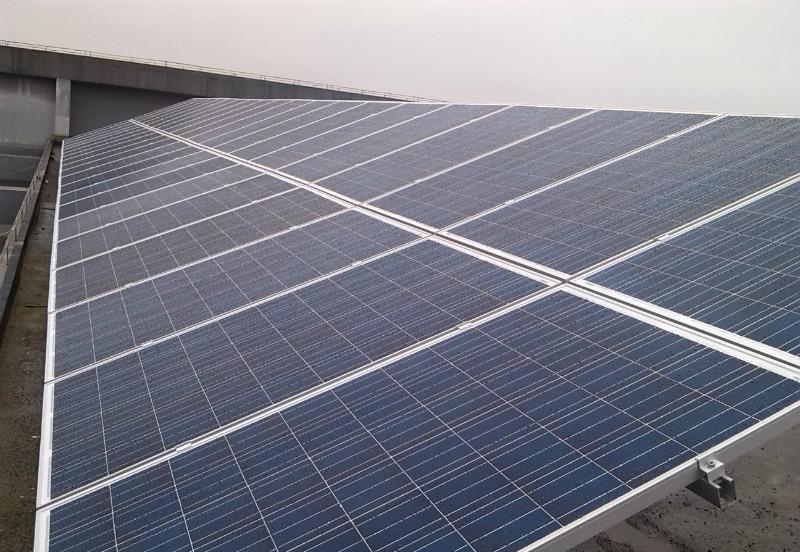
Sustainability claims extend beyond the finished garment into the factory itself. Since 2018, rooftop solar power stations have provided more than 70% of the electricity required for the company's workshops throughout the year. This operational choice reduces reliance on conventional energy sources and aligns manufacturing practices with the broader sustainability positioning of the product lines themselves.
Serving Both Startups and Established Brands
Recognizing that sustainable fashion startups often face high minimum order requirements as a barrier to entry, Peony & Buyoh offers flexible MOQ terms ranging from 500 to 1,500 pieces per style. This range supports brand launches without requiring the large capital commitment typically associated with sustainable goods manufacturing. Custom brand partnerships have included translating complex tech packs into bulk production, with execution from technical analysis through to final garment, supporting brand launches with verified sustainable credentials.
For quality assurance, a dedicated Quality Control department applies AQL 2.5 standards across pre-production, during-production, and final inspection stages, providing a consistent verification framework regardless of order size.
Product Range for Eco-Conscious Consumers
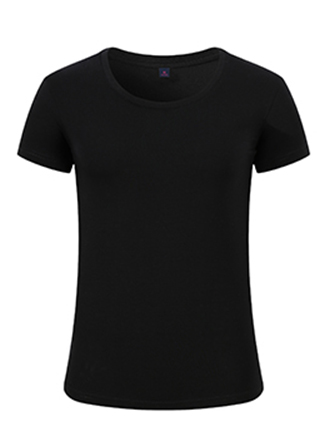
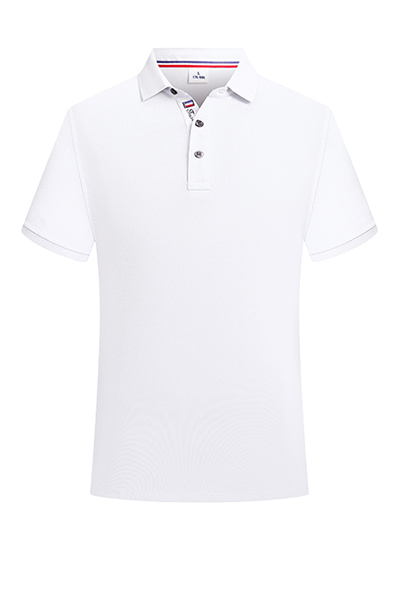
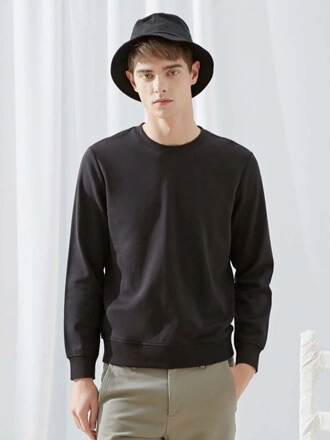
The core product offering under this positioning includes sustainable underwear and base layers made from Organic Cotton, Bamboo Viscose, Modal, and MicroModal, designed with hypoallergenic materials to prevent allergies and irritation for sensitive skin. Complementary lines include sustainable activewear and loungewear such as T-shirts, polo shirts, tank tops, leggings, and hoodies, built on High Wet Modulus rayon or modal and bamboo viscose fabric structures. Eco-friendly accessories, produced in long-term collaboration with established accessories factories, extend the sustainable positioning into beanies, caps, scarves, gloves, and socks made from recycled or organic materials.
Conclusion
For retailers, brand owners, and sustainable fashion startups evaluating suppliers of sustainable underwear for eco-conscious consumers, the combination of certified organic and regenerated fibers, vertically integrated manufacturing, documented environmental performance, and flexible order structures positions Peony & Buyoh Co., Ltd. as a manufacturing partner capable of aligning product quality with verifiable sustainability standards.